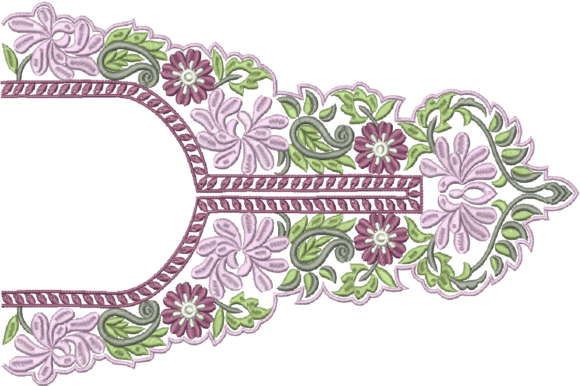
Spring Colar: A Designer’s Review for Craft Fair Success
As an embroidery designer who has spent countless hours behind the hoop and even more time standing behind a booth table at weekend markets, I have learned that not all designs are created equal. Some look stunning on a screen but vanish in person, while others become instant bestsellers because they catch the eye from three feet away. Today, I am reviewing Spring Colar, a machine embroidery design intended to bring seasonal freshness to handmade goods. If you are an Etsy seller, a boutique maker, or a creative entrepreneur preparing your inventory for the spring rush, this review focuses on practical application, visual appeal, and production viability.
First Impressions: Elegance Meets Seasonal Charm
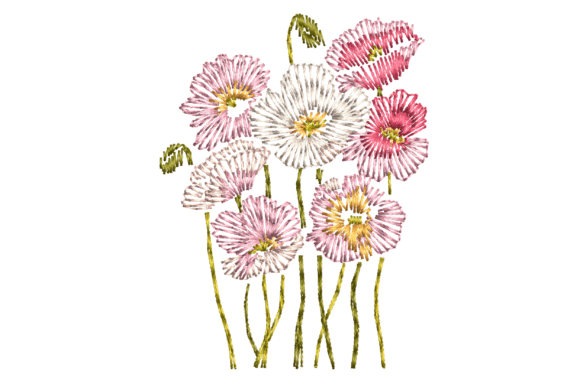
The title Spring Colar immediately suggests a specific placement and mood. The description notes that it is made to decorate the collar of a dress or a women’s blouse, designed with great care. This tells me right away that we are dealing with a design that leans toward the elegant, feminine, and delicate side of the spectrum. It does not scream "rustic farmhouse" or "bold modern minimal." Instead, it whispers sophistication. For a craft fair product, this is a double-edged sword. Delicate designs require the right substrate to shine. If you place this on a rough burlap tote, it may get lost. However, on smooth cotton, linen, or high-quality blends, it can elevate a simple item into a premium finished product.
The mention of "five co" in the description likely refers to five color variations or five distinct components within the design. Regardless of the exact technical specification, the intent is clear: versatility. A design that works well in multiple colorways is gold for a small shop product line because it allows you to create cohesive collections without buying entirely new assets.
Strategic Placement Beyond the Collar
While the designer specifies collar use, experienced embroidery business owners know that adapting a design is key to maximizing ROI on a digital embroidery file. Let us evaluate where Spring Colar would stand out in a typical craft fair display.
- Apron Embroidery: A bib apron offers a perfect canvas for collar-style motifs. Placing this design near the neckline of a high-quality linen apron creates a focal point that draws customers in. It transforms a utility item into a giftable handmade product.
- Tea Towel Embroidery: Kitchen textiles are staple sellers. However, caution is needed here. Tea towels often have a loose weave. Ensure the stitch density is appropriate so the design does not pucker the fabric. If the design is dense, use a cut-away stabilizer to maintain structure.
- Tote Bag Design: For a tote bag, this design might be too small if used alone. Consider scaling it up if the license permits, or using it as part of a larger composition. It works best on smaller market bags or pouches where the scale remains proportional.
- Embroidered Patch: Creating iron-on or sew-on patches is a fantastic way to sell this design to customers who want to customize their own clothing. Patches allow you to batch produce the embroidery on a stable backing, reducing the risk of ruining expensive garments during hooping.
Production Practicality and Batch Selling
When preparing for a busy craft fair season, efficiency is everything. A design like Spring Colar needs to be repeatable. If the design contains intricate tiny details or extremely fine lettering, it may slow down your production due to frequent thread breaks or trimming. Before committing to a large run, check the stitch density. High-density areas can make fabric stiff, which is undesirable for clothing or soft home decor items like pillow covers.
Photography is another critical factor. Does the design photograph well for your Etsy listings? Designs with good contrast between thread colors and fabric texture tend to pop in online images. If you are using pastel threads on white fabric, ensure your lighting is bright enough to capture the detail. A printable mockup can help you visualize how the design will look on different backgrounds before you stitch a single thread.
Careful-Use Notes for Professional Results
To ensure your commercial embroidery products meet professional standards, keep these technical considerations in mind:
- Fabric Texture: Avoid using this design on highly textured fabrics like thick terry cloth or heavy wool unless you test extensively. The details may merge and lose clarity.
- Dark Fabric: If stitching on dark fabric, ensure the design includes underlay stitches that provide a solid base. Otherwise, the fabric color may show through the top stitches, muddying the aesthetic.
- Curved Surfaces: If applying this to caps, remember that curved surfaces distort designs. You may need to adjust the pull compensation or use a specialized cap frame and stabilizer combination.
- Small Lettering: If the design includes text, verify its legibility at the intended size. Small lettering often fills in and becomes unreadable if the stitch count is too high for the font size.
Enhancing Brand Consistency and Buyer Engagement
Using a cohesive design element like Spring Colar across your product line strengthens brand consistency. When customers see the same elegant motif on an apron, a pouch, and a tote bag, they recognize your signature style. This recognition builds trust and encourages multiple purchases. Furthermore, high-quality embroidery signals value. Customers are willing to pay more for a handmade product that looks meticulously crafted rather than mass-produced.
For booth display strength, consider creating a "story" around the design. Display the original blouse inspiration alongside the adapted products. Show the process. People love seeing the design assets and the final finished product side by side. It engages them and justifies the price point of your small shop product.
Final Designer Recommendations
Before you launch this design into your store, take these final steps. First, always test the design on scrap fabric that matches your final product material. Check thread contrast and inspect the back of the hoop for excessive buildup. Second, confirm the hoop size required. If the design is small, you can gang multiple designs in one hoop to save time and stabilizer. Third, review the licensing terms of the digital embroidery file. Ensure you have the rights for commercial embroidery sales, especially if you plan to sell finished goods rather than just the file itself.
Spring Colar has the potential to be a standout item in your spring collection if treated with the right respect for fabric and technique. It is not just a pattern; it is an opportunity to showcase your skill in blending traditional embroidery aesthetics with modern market demands. By focusing on high-quality materials, precise production, and strategic marketing, you can turn this delicate design into a robust revenue stream for your handmade business.