Elegant Border: A Designer’s Review for Craft Fair Success
As an embroidery designer who has spent countless weekends behind a booth table, I know that the difference between a browser and a buyer often comes down to visual impact. When I first loaded the Elegant Border machine embroidery design into my software, my immediate thought was about versatility. The product description promises a lovely addition to pillows, towels, apparel, and home decor, but does it hold up under the harsh fluorescent lights of a convention center or the soft natural light of an outdoor market? After testing this digital embroidery file on various substrates, I am ready to share my professional assessment for fellow Etsy sellers, boutique makers, and creative entrepreneurs.
First Impressions: Mood and Market Fit
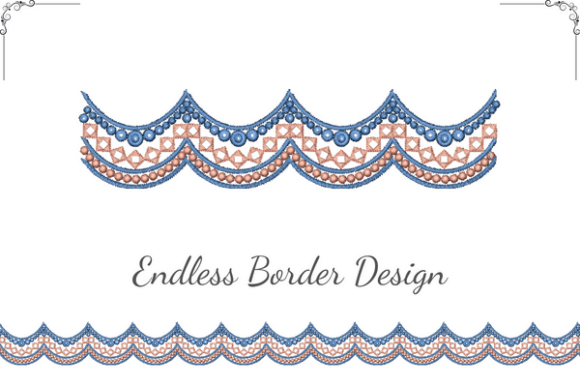
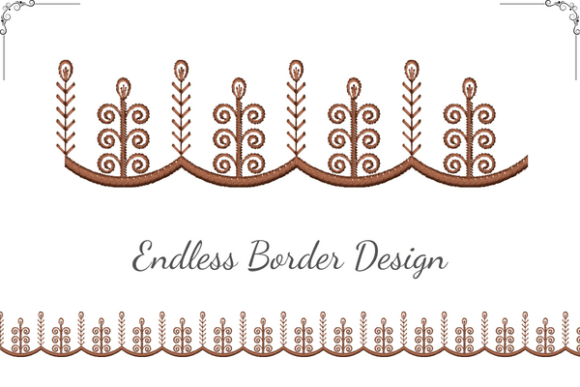
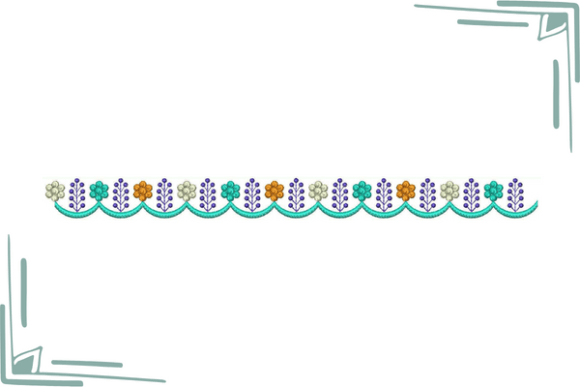
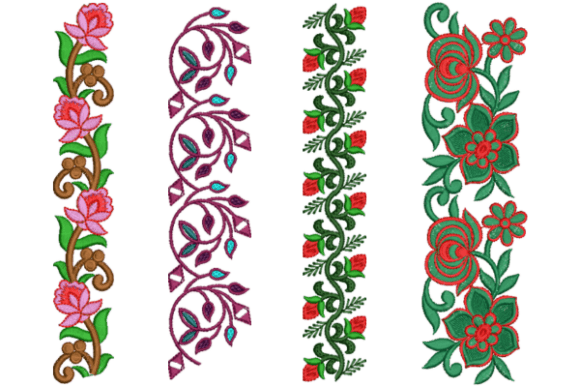
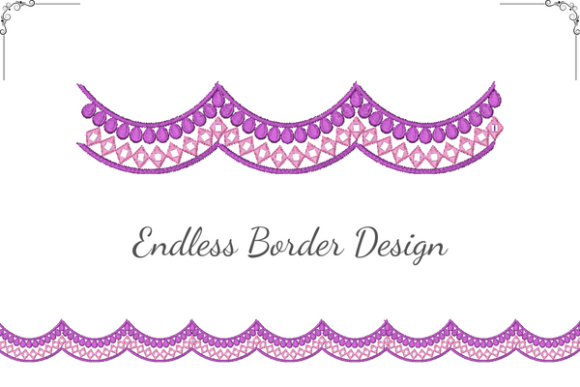
The title "Elegant Border" sets a specific expectation. It suggests sophistication rather than whimsy. Upon reviewing the stitch path, the design feels refined and decorative. It does not scream "funny" or "rustic"; instead, it leans toward a premium, classic aesthetic. This is crucial for positioning. If you are selling at a high-end handmade market, this embroidery file fits perfectly with linen napkins, structured tote bags, and neutral-toned home goods. It lacks the bulkiness of heavy rustic fonts, making it ideal for customers seeking a subtle yet polished look. For a small shop product, this level of elegance can elevate perceived value significantly.
Product Applications That Sell
To maximize return on investment, you must place this design where it shines. Here is how Elegant Border performs across common craft fair product categories:
- Tote Bag Design: Placing this border along the bottom hem or the top edge of a canvas tote creates a custom, boutique feel. It transforms a blank canvas into a statement piece without overwhelming the fabric.
- Apron Embroidery: An apron is a high-margin item. Stitching this border along the pocket edge or the waistband adds a professional touch that justifies a higher price point.
- Tea Towel Embroidery: Kitchen textiles are impulse buys. Because the description notes it works on any fabric, ensure you test on thin cotton. A delicate border on a tea towel looks expensive and makes for an excellent gift item.
- Embroidered Patch: If your hoop size allows, creating standalone patches on felt or twill can be a great low-cost entry item. However, check the stitch density to ensure the patch remains flexible.
- Pillow Covers: Home decor is a staple for embroidery businesses. Using this as a frame for a monogram or as a standalone accent on a sham can create a cohesive collection.
Production Practicality for Batch Selling
For those of us running a commercial embroidery side hustle, time is money. The key question is: Is this design repeatable? Borders are generally easier to hooping consistently than large central motifs because they often align with the edges of the garment. This reduces the time spent measuring and marking. However, you must verify the hoop size requirements. If the border is long, you might need a larger hoop or a multi-position technique, which increases production time. Always check the specific file details before committing to a large batch of finished product inventory.
Photography is another critical factor. This design, being a border, frames the product beautifully in photos. It leads the eye across the item, making your printable mockup or real-life listing images look composed and intentional. For online listings, this structural element helps potential buyers visualize the scale and placement immediately.
Careful-Use Notes and Technical Considerations
While the description states this design can be embroidered on any fabric, experienced designers know that "any fabric" requires adjustment. Here are my technical warnings to ensure quality control:
- Fabric Texture: On textured towels, fine details may get lost. Ensure the thread colors contrast sufficiently with the towel pile. High-contrast threads help the design pop against fluffy surfaces.
- Curved Surfaces: If applying this to caps, be wary of distortion. Borders do not always wrap well around curved seams. Test on a scrap cap first to see if the design buckles or pulls.
- Stitch Density: Check the stitch density in your software. If it is too dense for lightweight apparel, you risk puckering. Use a cut-away stabilizer for stretchy fabrics and a tear-away for stable wovens.
- Dark Fabric: Elegant designs often rely on subtlety. On dark fabrics, ensure you are using high-quality rayon or polyester threads that reflect light well, or consider underlay adjustments to prevent the fabric color from dulling the thread.
- Small Details: If the border includes tiny elements, avoid shrinking the design below its recommended size. Loss of clarity at smaller sizes can make the embroidery look messy rather than elegant.
Enhancing Brand Consistency and Visual Appeal
Using a consistent design element like Elegant Border across your product line strengthens brand recognition. When a customer sees the same refined border on a tote, a pouch, and a pillow, they recognize your signature style. This consistency builds trust and encourages multiple purchases. In a crowded booth, this visual harmony makes your display look curated and professional, rather than like a random assortment of items.
Furthermore, this design aids in customer engagement. People love to touch embroidery. A well-executed border invites tactile interaction. When a customer runs their hand over the smooth stitches of a border on a tote bag, they connect with the quality of the handmade product. This sensory experience is something digital prints cannot replicate, giving you a competitive edge.
Final Designer Recommendations
Before you list this as a top seller, follow these steps:
- Test on Scrap Fabric: Never skip the test stitch. Verify tension and thread breaks.
- Check Thread Contrast: Ensure the thread stands out against your chosen fabric base.
- Review Spacing: Confirm the border aligns correctly with your garment seams.
- Confirm Commercial Licensing: The description mentions adding the embroidery to various items, but always double-check the license terms of the design assets you purchase to ensure you are allowed to sell physical finished goods.
- Create Real Mockups: Photograph the actual stitched item, not just a digital render, to show true texture and scale.
In conclusion, Elegant Border is a strong contender for craft fair inventories. It offers the flexibility needed for diverse products while maintaining a cohesive, high-end aesthetic. By paying attention to fabric choice, stabilizer selection, and strategic placement, you can turn this simple Embroidery pattern into a profitable cornerstone of your Borders collection. Whether you are a seasoned Etsy seller or a new crafter, this design provides the professional polish that today’s handmade market demands.