Goldfish: A Whimsical Embroidery Design Review
As an embroidery designer who has spent countless hours testing digital files for real-world application, I approach every new machine embroidery design with a critical eye. It is not enough for a pattern to look good on a screen; it must hold up under the needle, survive the wash, and delight the recipient. Recently, I had the opportunity to review Goldfish, a charming addition to the Fish category that promises to bring a touch of fun and whimsy to various projects. After running several test stitches and evaluating its potential for personalized gift products, I am ready to share my insights with fellow crafters, Etsy sellers, and small business owners.
First Impressions: Charm and Emotional Appeal
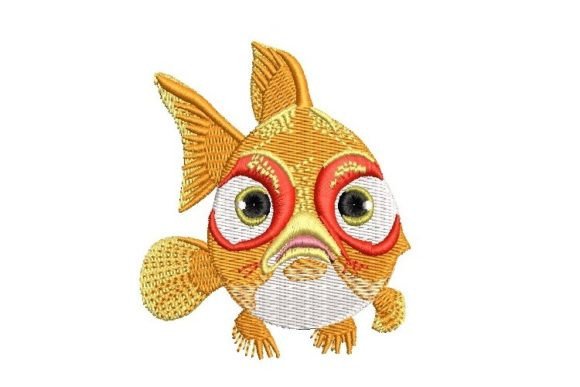
The first thing that strikes you about the Goldfish design is its immediate emotional appeal. In a market saturated with overly complex or sterile patterns, this cartooned goldfish feels refreshingly sweet and playful. It captures the innocence of childhood while maintaining a professional-grade finish. The mood is lighthearted, making it an ideal candidate for projects intended to spark joy. Whether you are creating a nursery item or a cheerful kitchen accessory, the design exudes a handmade quality that buyers crave.
For those of us who sell handmade products, the visual charm of a design is half the battle. Goldfish offers a balance of simplicity and character. It does not rely on excessive detail that might get lost in translation during stitching. Instead, it uses clean lines and expressive shapes to create a recognizable and endearing image. This clarity is crucial when working with smaller items or when the design needs to be read from a distance, such as on a tote bag or a pillow cover.
Versatility Across Product Categories
One of the strongest assets of this embroidery file is its versatility. I tested the design on several different substrates to see how it would perform in a real shop environment. Here is how Goldfish shines across various product types:
- Baby Embroidery: The soft, rounded edges of the goldfish make it perfect for baby blankets and onesies. It adds a personal touch without being overwhelming, appealing to parents looking for gentle, cute decor for their little ones.
- Kitchen Textiles: An embroidered towel featuring this design becomes an instant conversation starter. The bright colors associated with goldfish pop beautifully against white or pastel linens, enhancing the perceived value of a simple kitchen towel.
- Nursery Decor: From pillow covers to wall hangings, the whimsical nature of the fish fits seamlessly into modern nursery themes. It pairs well with aquatic or general animal motifs, allowing for cohesive collection building.
- Custom Totes and Aprons: For adult customers who appreciate a bit of playfulness, placing Goldfish on a canvas tote or a cooking apron creates a unique, custom embroidery piece that stands out at craft fairs.
For wedding gifts, while perhaps not traditional, this design could work wonderfully for a couple who loves fishing or has a specific inside joke involving goldfish. It demonstrates that personalized gifts do not always have to be solemn; they can be joyful and reflective of the recipients' personalities.
Technical Considerations for Stitching Success
While the aesthetic is delightful, technical execution is where many designs fail. As a professional, I advise checking several key factors before offering Goldfish as a finished product. Since the provided description notes it is a professional-grade design, we can assume a certain level of optimization, but due diligence is always required.
First, always test on scrap fabric identical to your final product. If you are stitching on a thick terry cloth towel, the stitch density may need to be evaluated to ensure the fabric does not pucker. Conversely, on stretchy baby clothes, using the correct stabilizer is non-negotiable. A cut-away stabilizer is often recommended for garments that will undergo frequent washing and wearing to maintain the integrity of the embroidery.
Pay close attention to thread color contrast. Goldfish are typically associated with vibrant oranges and reds. Ensure your thread palette provides enough distinction between the body of the fish and any background elements or outlines. If the design includes small details, check them closely after the test run. Sometimes, what looks crisp on a digital mockup can become muddy if the needle size is too large or the tension is off.
Regarding hoop size, since specific dimensions were not provided in the initial product data, you must verify the available sizes in the digital embroidery file package. Ensure the design fits comfortably within your machine’s smallest hoop if you plan to offer it on smaller items like bibs or pocket squares. Never assume compatibility; always measure.
Navigating Challenges: Fabric and Placement
There are scenarios where Goldfish requires careful handling. Delicate details can get lost on textured fabrics like heavy waffle weave or rough linen. In these cases, consider simplifying the thread count or choosing a smoother fabric blend. Dark fabric presents another challenge; if the goldfish design relies on light colors for highlights, ensure you use a high-quality underlay stitch to prevent the dark fabric from showing through the top stitches.
Curved surfaces, such as the sleeve of a baby onesie or the corner of a pillow, require precise hooping. The playful nature of the fish means it should remain upright and recognizable. Distortion here can ruin the charm. Always take time to center the design properly and use marking tools to guide your placement.
Boosting Business Value and Customer Trust
For Etsy sellers and small shop owners, the right design can significantly impact buyer engagement. Goldfish serves as an excellent hook for social media content. Its bright, cheerful appearance photographs well, making it easier to create attractive printable mockups and lifestyle images. When customers see a high-quality embroidered towel or blanket featuring this design, it builds trust in your craftsmanship.
The emotional connection fostered by such a cute design can lead to higher conversion rates. Parents and gift-givers are drawn to items that feel special and thoughtful. By offering Goldfish as part of a personalized gift line, you elevate a standard product into a keepsake. It suggests that you care about the details, which justifies a higher price point for your handmade product.
Furthermore, using a professional-grade design reduces the risk of customer complaints related to poor stitching or design flaws. This reliability allows you to focus on marketing and customer service rather than troubleshooting production errors. Always confirm commercial licensing terms before selling finished products. Most professional designers grant rights to sell physical items made with their files, but verifying this protects your small business from legal issues.
Final Thoughts for the Modern Crafter
In conclusion, Goldfish is a strong contender for any embroidery designer’s library. It balances whimsy with professionalism, offering a versatile solution for baby embroidery, home decor, and personalized accessories. By paying attention to fabric texture, stabilizer choice, and thread contrast, you can ensure that every stitched piece meets the high standards your customers expect. Whether you are expanding your Etsy listings or preparing for a local craft fair, this design offers the charm and quality needed to stand out in a crowded market. Embrace the fun, respect the technical requirements, and watch your handmade creations swim to success.