Folk Style Border: A Designer’s Holiday Review
As an embroidery designer who spends countless hours testing files for seasonal collections, I approach every new machine embroidery design with a critical eye. The holiday season is not just about festive cheer; it is a high-stakes period for Etsy sellers, small business owners, and handmade gift makers. We need designs that stitch cleanly, photograph beautifully, and resonate emotionally with buyers looking for that perfect personalized gift. Today, I am reviewing the Folk Style Border, a versatile embroidery file that promises to add a colorful, traditional touch to any fabric. Let’s dive into whether this design deserves a spot in your upcoming holiday product lineup.
First Impressions: Mood and Aesthetic Appeal
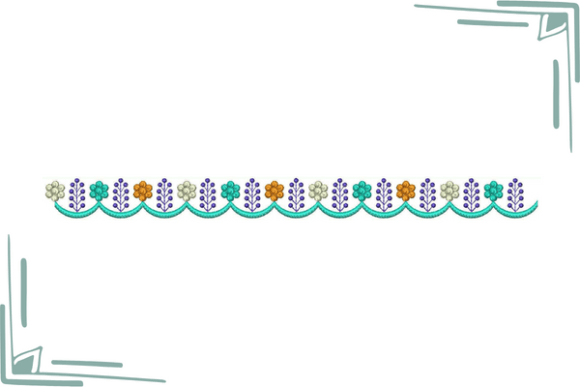
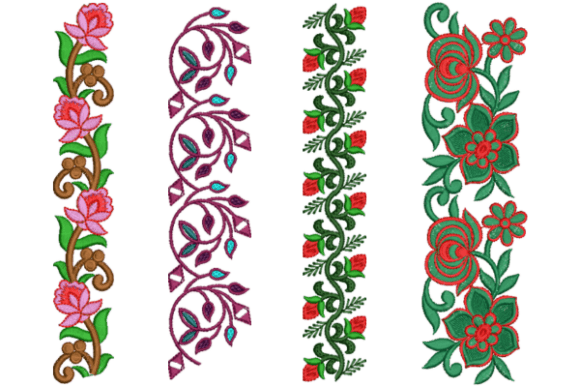
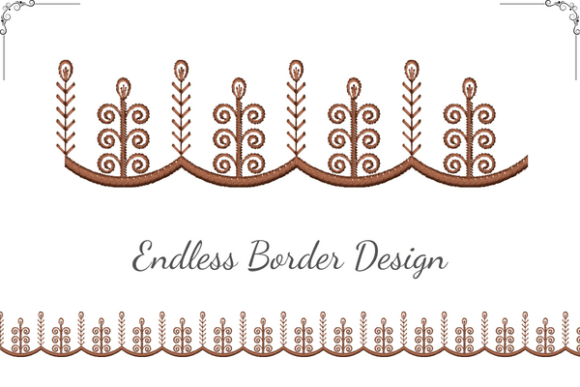
The first thing that strikes me about the Folk Style Border is its warm, nostalgic tone. In a market saturated with minimalist modern graphics, this design leans into a rustic, cozy aesthetic that feels incredibly timely for the winter holidays. It evokes the feeling of handmade heirlooms, grandmother’s kitchen towels, and traditional folk art. This emotional connection is vital for seasonal embroidery because buyers are often seeking comfort and tradition during the colder months.
The detail level appears balanced. It is intricate enough to look premium and handcrafted but not so dense that it becomes stiff or prone to puckering on lighter fabrics. The colorful look mentioned in the description suggests a palette that can be easily adapted. For holiday collections, this means you can swap standard folk colors for traditional reds, greens, and golds, or go for a whimsical pastel approach for baby items. The decorative style is playful yet elegant, making it suitable for a wide range of demographics, from young families to older generations who appreciate classic craftsmanship.
Strategic Applications for Holiday Sales
When planning a small shop product drop, versatility is key. The Folk Style Border shines because it functions as a true border. This makes it ideal for edging items, which adds perceived value without covering the entire garment. Here is how I would deploy this design across various product categories:
- Kitchen Towel Embroidery: This is perhaps the most natural fit. Embroidering the border along the hem of linen or cotton towels creates an instant bestseller. These make excellent hostess gifts and bundle well with other kitchen accessories.
- Sweatshirt Embroidery: Placing the border along the bottom hem or cuffs of a crewneck sweatshirt adds a subtle, trendy detail. It transforms a basic blank into a unique finished product that stands out in social media previews.
- Pillow Cover Accents: Use the design to frame the edges of square pillow covers. This works particularly well for home decor items intended for living rooms or guest bedrooms during the holidays.
- Tote Bag Design: A border along the top or bottom of a canvas tote bag adds structural visual interest. It is durable, practical, and highly photogenic for printable mockup listings.
- Embroidered Patch Creation: If the hoop size allows, stitching this onto twill and cutting it out creates a high-margin add-on item. Patches are popular for customizing jackets and hats.
For commercial embroidery purposes, this design supports the creation of cohesive collections. Imagine a "Cozy Home" bundle featuring matching towels, aprons, and pillow covers, all unified by the Folk Style Border. This consistency builds brand recognition and encourages larger cart sizes.
Technical Considerations and Stitching Advice
While the aesthetic appeal is strong, successful execution depends on technical precision. As a designer, I always advise checking specific file details before purchasing or selling. Since the product description notes that this digital embroidery file works on any fabric, we must consider how different materials react to the stitch pattern.
Stitch density is a crucial factor. If the design is too dense, it may cause puckering on lightweight fabrics like voile or thin cotton. Conversely, if it is too light, it might not cover dark fabrics adequately. I recommend running test stitches on both light and dark fabric samples. When working on dark fabrics, consider using a metallic thread or a contrasting bright color to make the folk motifs pop. However, be cautious with metallic thread, as it can be brittle and may break if the design has sharp turns or high density.
Hoop size compatibility is another critical check. Ensure the border fits within your machine’s maximum hoop dimensions, especially if you plan to stitch it on larger items like table linens or full-sized pillow covers. If the design is long, you might need to use a hoop-and-rehoop method, which requires precise alignment to avoid visible gaps in the pattern.
Stabilizer selection cannot be overlooked. For stretchy garments like sweatshirts or knit apparel, a cut-away stabilizer is essential to prevent distortion after washing. For woven fabrics like towels or home decor items, a tear-away stabilizer usually suffices, provided the fabric is hooped tightly. Always review the small details after stitching a test sample. Look for thread breaks, loose ends, or areas where the fabric pulls. These minor issues can detract from the premium feel of a handmade gift.
Navigating Challenges in Production
There are scenarios where the Folk Style Border requires careful handling. For instance, stitching on curved surfaces like caps can be tricky with border designs. The curvature may distort the straight lines of the folk pattern, so it is best suited for flat panels or pre-curved blanks with experienced hooping techniques.
Additionally, consider the washability of the final product. Items like kitchen towels and baby clothes undergo frequent laundering. Ensure that your thread choice is colorfast and that the stabilizer is trimmed properly to avoid irritation or bulk. If you are creating items for repeated washing, a soft backer or additional topping might be necessary to protect the stitches and maintain the fabric’s texture.
Another consideration is tiny lettering or intricate details within the folk motifs. If the design includes small elements, they may not stitch out clearly on textured fabrics like terry cloth towels. In such cases, increasing the stitch length slightly or choosing a smoother fabric variant can improve clarity. Always confirm commercial licensing terms before selling finished seasonal products. While many designers offer broad commercial rights, it is prudent to verify that you can sell physical items made with this embroidery file without additional fees.
Enhancing Seasonal Appeal and Buyer Trust
In the competitive landscape of holiday shopping, visual recognition is everything. The Folk Style Border offers a distinct visual signature that can help your brand stand out. When used consistently across your Etsy seller storefront or craft fair display, it creates a cohesive narrative of warmth and tradition. This consistency builds customer trust, as buyers begin to associate your brand with quality and thoughtful design.
To maximize engagement, create realistic mockups that show the design in context. Show the border on a steaming mug cozy, a folded stack of towels, or a child wearing a decorated sweatshirt. These images help buyers visualize the finished product in their own lives, increasing the likelihood of purchase. The emotional tone of folk art—rooted in community, history, and handcraft—resonates deeply during the holidays, making this design a powerful tool for connecting with customers on a personal level.
In conclusion, the Folk Style Border is a strong contender for any seasonal collection. Its versatility across apparel, home decor, and accessories, combined with its nostalgic aesthetic, makes it a valuable asset for embroidery professionals. By paying attention to technical details like stabilizer choice, thread color, and hoop size, you can ensure that every item you produce meets the high standards of today’s discerning shoppers. Whether you are creating limited edition apparel or timeless home accents, this design offers the flexibility and charm needed to succeed in the holiday market.