Simple Border: A Designer’s Review for Branded Merch
As an embroidery designer who has spent years digitizing files for small businesses, I know that not every design needs to be complex to be effective. In fact, some of the most profitable merchandise relies on clean, versatile elements that enhance a brand without overpowering it. Today, I am reviewing Simple Border, a machine embroidery design that promises versatility across various fabrics and applications. For boutique owners, Etsy sellers, and local business operators, understanding how a basic border performs in real-world commercial settings is crucial for maximizing return on investment.
First Impressions: Versatility Over Flashiness
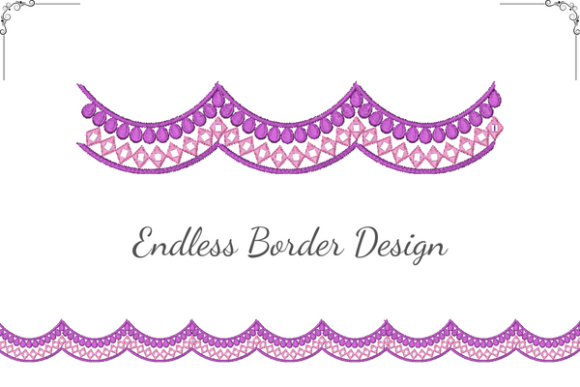
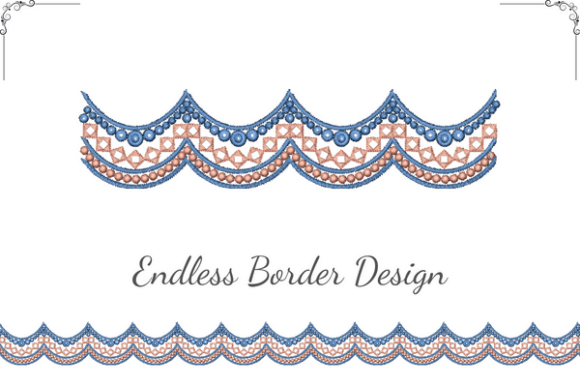
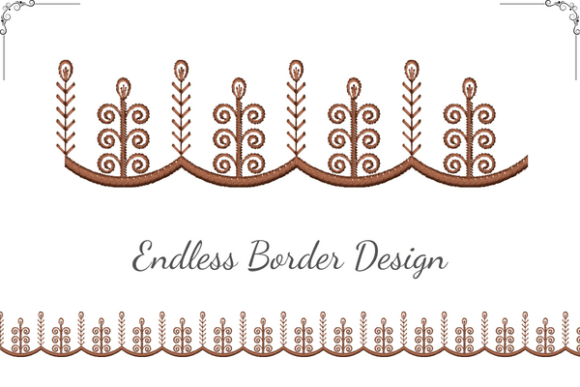
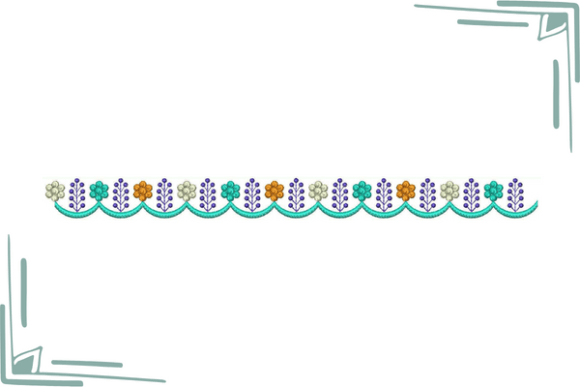
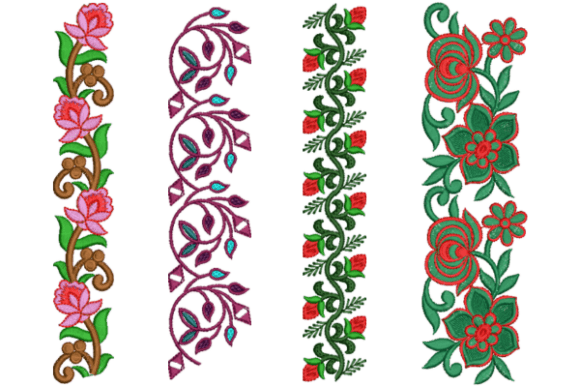
The product description states that this simple border design is beautifully embroidered with any fabric you like to work with. From a professional standpoint, this claim of universal compatibility is both a strength and a caution point. Visually, Simple Border falls into the category of classic and decorative Borders. It does not scream for attention; instead, it offers a structured frame that can elevate a plain item into a finished product.
For a handmade brand or a creative studio, the aesthetic feel is friendly yet professional. It lacks the aggressive boldness of modern streetwear logos but possesses enough elegance to suit a florist’s apron or a bakery’s tote bag. The promise of a "colorful look" suggests that this design relies heavily on thread choice. As a designer, I see this as a blank canvas. It is not inherently rustic or ultra-modern; it becomes what your brand identity requires it to be through your selection of thread colors and fabric texture.
Real-World Applications for Small Business Merch
When evaluating a digital embroidery file for commercial use, I always ask: where does this add value? Simple Border shines in applications where framing is necessary. Here is how I would deploy this design in a small business context:
- Embroidered Patches: This is arguably the strongest use case. A border design creates a natural edge for a patch, making it look complete even if the center is left open for a monogram or logo. It works well for staff name tags or branded merchandise giveaways.
- Apparel Accents: Consider using this on the cuffs of sleeves or the collar of a work shirt. It adds a subtle touch of custom apparel refinement that customers notice but competitors often overlook.
- Home Decor and Towels: The description explicitly mentions pillows and towels. For a boutique hotel or a bed-and-breakfast, embroidering this border on guest towels adds a layer of perceived luxury and cleanliness.
- Tote Bag Design: A border can frame a central logo on a canvas tote. It draws the eye inward, ensuring the main brand mark is the focal point while the border provides structural visual balance.
For event merch or customer gifts, this design allows for rapid production. Since it is described as simple, it likely runs faster than dense, complex logos, reducing machine time and wear on needles.
Technical Considerations and Fabric Performance
While the description claims compatibility with "any fabric," experienced embroiderers know that technique matters more than the file itself. When working with textured fabric, such as terry cloth towels or heavy canvas, the stitch density of Simple Border must be sufficient to prevent the fabric from showing through the gaps. If the design is too sparse, it may look cheap on dark uniforms or coarse materials.
I recommend testing this design on your specific media before committing to a large run. For cap embroidery, curved surfaces require careful hooping. A border that looks perfect flat might distort when applied to the front panel of a baseball cap. Similarly, for apron embroidery, consider the stress points. If the border is placed near a pocket or a tie, ensure the stabilizer used is cut-away rather than tear-away to withstand frequent washing and industrial laundering.
Another critical factor is the hoop size. Although the specific dimensions are not provided in the brief description, you must confirm the hoop size required for this file. If you are producing small patches, you need to ensure the design scales down without losing definition. Tiny lettering or intricate details within a border can merge into a blob if scaled too small, so always check the spacing at your intended production size.
Enhancing Brand Identity and Customer Trust
Why invest in a border design? Because consistency builds trust. When a customer receives a product with cohesive design assets, they perceive higher value. Simple Border can serve as a unifying element across different product lines. Imagine a pet brand that uses this border on dog bandanas, owner tote bags, and shop signage mockups. The visual consistency reinforces brand recognition.
Furthermore, using high-quality Embroidery techniques signals professionalism. A cleanly stitched border on a handmade product distinguishes it from mass-produced, printed alternatives. It tells the buyer that care was taken in the creation process. This emotional connection can drive buyer engagement and justify a higher price point for your finished product.
Practical Designer Notes for Production
Before you purchase and produce, follow these steps to ensure success with Simple Border:
- Test in Black and White First: Remove color from the equation to evaluate the shape and stitch flow. If the design lacks definition in monotone, it may rely too heavily on color contrast to be effective.
- Check Thread Color Contrast: Since the design aims for a colorful look, ensure your thread choices contrast sufficiently with the base fabric. Low contrast can make the border disappear, defeating its purpose.
- Verify Commercial Licensing: Always confirm the license terms included with the digital embroidery file. Ensure you have the right to use it for commercial embroidery projects and resale items.
- Create a Printable Mockup: Before stitching, place the design on a digital mockup of your intended product. This helps visualize scale and placement, saving time and material costs.
- Select the Right Stabilizer: Match your stabilizer to the fabric weight. Lightweight apparel needs different support than heavy home decor items.
In conclusion, Simple Border is a functional, adaptable asset for any small business looking to expand their branded merchandise. It may not be the star of the show, but it is the reliable supporting actor that makes the entire production look polished. By paying attention to fabric texture, stitch density, and placement, you can transform this basic design into a powerful tool for brand elevation. Always review the specific technical details of the file upon purchase, but rest assured that a well-executed border is a timeless addition to your design library.