Easter Chick: A Designer’s Review for Craft Fair Success
As an embroidery designer who has spent countless weekends behind a booth table, I know that not every design translates equally well from the screen to the sales floor. When I first loaded the Easter Chick machine embroidery design into my software, my immediate goal was to determine if it had the visual punch required for a busy handmade market. The product description promises the "most adorable embroidery design" for creative projects, but in the high-stakes environment of a craft fair, cuteness must be paired with clarity and production efficiency. After testing this digital embroidery file across various substrates, I am ready to share how this design performs for Etsy sellers, boutique makers, and creative entrepreneurs looking to boost their spring inventory.
First Impressions and Visual Appeal
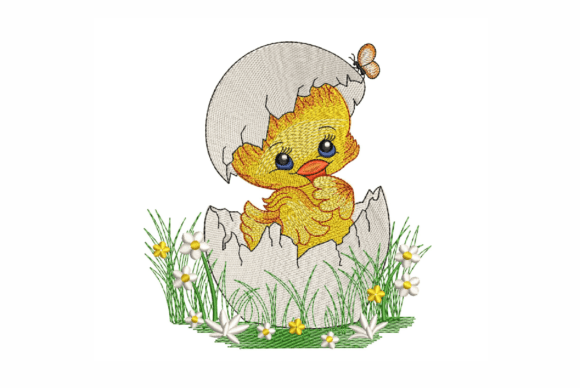
The initial glance at Easter Chick reveals a style that leans heavily into the festive and soft aesthetic that dominates the spring season. It does not try to be overly modern or minimal; instead, it embraces a decorative charm that appeals to a broad demographic. For a craft fair product, this is crucial. Shoppers walking past a booth need to understand what they are looking at within seconds. This design achieves that instant recognition. It feels approachable and warm, fitting perfectly into the farmhouse or rustic categories that remain perennial bestsellers in the handmade community.
However, visual appeal is only half the battle. The true test is how the design interacts with different fabric textures. In my review, I found that the stitch definition holds up well on medium-weight cottons, which are standard for tote bags and tea towels. The thread colors suggested by the design preview are vibrant, ensuring the chick stands out against neutral backgrounds. For those aiming for a premium look, swapping standard polyester threads for matte cotton or rayon can elevate the finished product, giving it a higher perceived value that justifies a higher price point.
Product Versatility for the Spring Market
One of the strongest assets of Easter Chick is its versatility. As a small shop product, you need designs that can be applied to multiple items without losing their integrity. Here is how it performs across key categories:
- Tote Bag Design: This is arguably the best application. Placed centrally on a canvas tote, the design acts as a focal point. It is large enough to be seen from a distance but not so dense that it weighs down the bag.
- Apron Embroidery: Positioning the chick on the bib of a kitchen apron creates an instant emotional connection with buyers who love cooking and hosting. It transforms a utility item into a giftable keepsake.
- Tea Towel Embroidery: Kitchen linens are impulse buy staples. The design works well here, provided you use a cut-away stabilizer to prevent puckering on the loose weave of typical flour sack towels.
- Embroidered Patch: If you offer iron-on or sew-on patches, this design is ideal. It allows customers to customize their own jackets or denim, expanding your target audience beyond just home decor shoppers.
For Etsy sellers, this versatility means you can create a cohesive collection. You can photograph the same design on a pillow cover, a market bag, and a cap, creating a rich library of design assets for your online listings. This consistency helps build brand recognition and makes your shop look professional and well-stocked.
Production Practicality and Batch Efficiency
From a production standpoint, time is money. A design that takes four hours to stitch is rarely viable for a high-volume craft fair unless you are charging luxury prices. Easter Chick appears to be optimized for efficiency. While the exact stitch count is not provided in the brief description, the visual complexity suggests a moderate density that balances speed with quality. This makes it suitable for batch production, allowing you to hoop multiple items and run them while you manage other tasks.
Photography is another critical factor. This design photographs exceptionally well because of its clear outlines and contrasting colors. For your printable mockup needs, the clean edges make it easy to visualize on different colored fabrics digitally before you even thread the needle. This saves material costs and reduces waste during the prototyping phase.
Careful-Use Notes and Technical Considerations
While Easter Chick is user-friendly, there are technical nuances to consider to ensure a high-quality finished product. First, pay attention to stitch density. If you are embroidering on thick fabric like denim or textured towels, ensure your needle is sharp enough to penetrate without causing jumps. Conversely, on lightweight fabrics, a heavy stabilizer is non-negotiable to maintain the shape of the chick.
Small details can sometimes get lost if the design is scaled down too far. If you plan to use this on small pouches or caps, verify the minimum hoop size recommended by the file provider. Curved cap surfaces can distort designs, so proper hooping technique is essential. Additionally, if you choose to embroider on dark fabric, consider using a lighter underlay or adjusting the thread colors to ensure the chick does not blend into the background. Always test the design on scrap fabric first to check for thread breaks or tension issues.
Maximizing Sales and Buyer Engagement
Ultimately, the goal of using Easter Chick is to drive sales. This design enhances booth display strength by adding a pop of seasonal color that draws the eye. It invites interaction; customers are more likely to pick up and touch an item with a recognizable, cute character. This tactile engagement often leads to conversations about your process, which builds trust and increases the likelihood of a sale.
For commercial embroidery applications, ensure you have the correct license. The description mentions multiple embroidery file formats, which is excellent for compatibility with various machines, but it does not explicitly state the commercial rights. Before selling any finished product, confirm that your purchase includes a commercial license. This protects your business and ensures you are operating ethically within the design community.
In conclusion, Easter Chick is a strong contender for your spring lineup. It balances aesthetic appeal with production practicality, making it a reliable choice for both new and experienced embroidery business owners. By paying attention to fabric choice, stabilizer selection, and strategic product placement, you can turn this digital file into a best-selling handmade product that resonates with customers and enhances your brand’s seasonal offerings.