Reviewing Lighted Easter for Real Projects
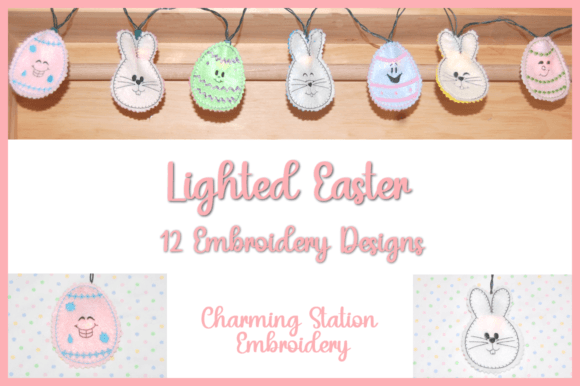
As a designer who spends more time staring at stitch maps than actual fabric, I have learned to be skeptical of novelty concepts. However, Lighted Easter caught my attention not just for its whimsical premise, but for the technical challenge it presents. This set includes twelve distinct designs featuring funny-faced bunnies and decorated eggs, each engineered with a specific structural element: a small sleeve designed to house a tiny light bulb. From a purely aesthetic standpoint, it is playful. From a production standpoint, it requires careful planning.
I recently evaluated this collection while preparing a batch of custom tote bags for a local boutique’s spring launch. The client wanted something that stood out on a crowded craft fair table. Standard holiday embroidery is safe, but adding an interactive, illuminated element changes the customer engagement dynamic entirely. Here is my practical breakdown of how these designs perform in real-world scenarios.
First Impressions and Visual Personality
The immediate mood of Lighted Easter is lighthearted and slightly mischievous. The faces are not the typical serene bunny expressions; they have character. This personality is crucial for handmade products because it creates an emotional connection. When I loaded the files into my editing software, I noticed the layout prioritizes the "sleeve" structure. This is not merely a decorative fill stitch area; it is a functional pocket within the embroidery.
For Etsy sellers and small shop owners, this distinction matters. You are not just selling an embroidered patch; you are selling an experience. The visual appeal relies heavily on the contrast between the thread colors and the eventual glow of the bulb. In daylight, the designs look like standard, high-quality machine embroidery design work. At dusk or in dim retail lighting, they transform. This dual-state functionality increases the perceived value of the finished product significantly.
Real-World Application and Fabric Choices
Choosing the right substrate is critical for this type of project. I tested the bunny designs on a medium-weight canvas tote bag and a soft cotton sweatshirt. The results were markedly different.
- Tote Bags: The sturdy fabric provided excellent support for the sleeve structure. The stabilizer held firm, and the light bulb sat securely without distorting the surrounding satin stitch borders. This is ideal for holiday gifts or boutique merchandise that needs to withstand handling.
- Sweatshirts: On stretchy fleece, the sleeve required extra attention. I had to use a cut-away stabilizer to prevent the weight of the bulb from pulling the fabric down over time. For baby embroidery or delicate garments, I would hesitate to use this design unless the bulb is extremely lightweight and securely enclosed.
If you are creating custom apparel, consider the placement carefully. On a cap or curved surface, the rigid nature of the light bulb sleeve might cause discomfort or bulging. These designs shine best on flat or semi-flat surfaces like pillow covers, kitchen towels, or aprons. For a tea towel, ensure the sleeve is positioned away from high-friction areas to preserve the integrity of the running stitch and fill stitch components during washing.
Technical Considerations for Designers
Before committing to a large production run, there are several technical factors to verify. Since the product description does not specify exact stitch counts or file formats, you must check these details in the downloaded digital embroidery file. Compatibility with your specific machine is paramount.
Stitch Density and Stability
The areas surrounding the light sleeve likely utilize dense satin stitch or fill stitch to create a clean border. High stitch density can cause puckering on thin fabrics. Always test the design on scrap fabric first. I recommend using a heavy-duty stabilizer, even on stable fabrics, to ensure the sleeve maintains its shape. If the stitches are too dense, the fabric may become stiff, affecting the drape of a garment.
Thread Color Contrast
Because the focal point is the light, your thread choices should complement the glow rather than compete with it. Warm white bulbs pair well with earthy tones and pastels, while cool white bulbs might look better with brighter, modern palettes. Test your thread colors against both light and dark fabric backgrounds. A dark fabric can make the illuminated face pop dramatically, but ensure the surrounding embroidery is bright enough to be visible when the light is off.
Hoop Size and Placement
Confirm the hoop size required for each of the twelve designs. Some of the larger egg designs might require a 5x7 or larger hoop. Ensure your machine can accommodate the necessary frame. Additionally, inspect the small details of the funny faces. Tiny elements can get lost if the stitch resolution is low or if the needle size is too large for the thread.
Commercial Viability and Brand Consistency
For commercial embroidery projects, consistency is key. If you are branding a line of seasonal products, Lighted Easter offers a unique selling proposition. However, you must consider the longevity of the product. Will customers replace the bulbs? Is the sleeve durable enough for repeated insertion and removal? These are questions your buyers will ask.
From a marketing perspective, these designs are perfect for printable mockups and digital product previews. Showing the item both lit and unlit in your Etsy listings can double the visual interest. It demonstrates craftsmanship and innovation. For craft business owners, this sets you apart from competitors using standard stock designs. It signals that you put thought into the user experience.
Practical Tips for Success
- Test Before Selling: Never skip the test stitch. Run the design on the exact fabric you plan to use for the final product. Check for thread breaks, especially around the tight curves of the sleeve.
- Check Licensing: Confirm the license terms included with the digital embroidery file. Ensure you are permitted to sell finished items made with these designs. Most designers allow commercial use for physical goods, but restrictions may apply to digital resale.
- Educate Your Customer: Include care instructions with your handmade product. Explain how to insert and remove the bulb safely. This reduces returns and builds trust.
- Consider the Bulb Source: Have a reliable source for the tiny light bulbs. Consistency in brightness and battery life affects customer satisfaction. You might even bundle the bulbs with the embroidered item as a complete kit.
In conclusion, Lighted Easter is more than a cute holiday motif. It is a functional design asset that bridges the gap between traditional embroidery and interactive decor. While it demands higher technical precision and thoughtful material selection, the payoff in customer engagement and product uniqueness is substantial. For the experienced maker willing to pay attention to detail, this set offers a fresh way to celebrate the season.