Butterfly Daisy: A Designer’s Holiday Review
As an embroidery designer who spends countless hours digitizing and testing files for seasonal collections, I approach every new machine embroidery design with a critical eye. The holiday season is not just about red and green; it is about capturing a mood that resonates with buyers looking for warmth, nostalgia, and unique charm. When I first loaded the Butterfly Daisy file into my software, I was immediately struck by its whimsical duality. This is not your standard floral motif, nor is it a typical insect illustration. It is a clever fusion of nature’s most delicate elements, creating a piece that feels both playful and elegant.
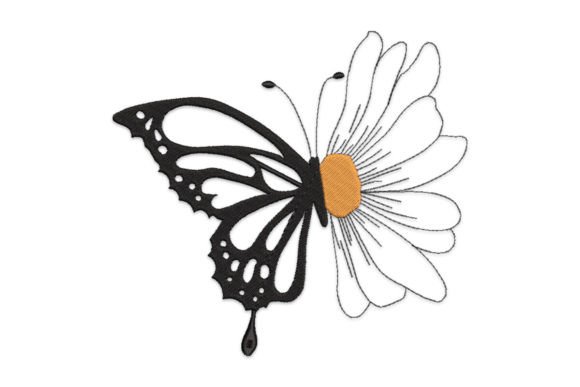
The concept is simple yet striking: half flower, half butterfly. This hybrid aesthetic allows the design to bridge the gap between traditional botanical decor and modern, quirky art. For those of us running small shops or managing Etsy listings, finding designs that stand out in a saturated market is crucial. Butterfly Daisy offers a distinct visual identity that can elevate a basic product into a memorable keepsake. Whether you are targeting spring celebrations or looking for a fresh take on winter coziness, this design holds surprising versatility.
Seasonal Mood and Emotional Appeal
The emotional tone of Butterfly Daisy is undeniably cheerful and light. In the context of holiday shopping, customers are often overwhelmed by heavy, traditional motifs. This design provides a breath of fresh air. It feels nostalgic, reminding viewers of childhood storybooks, yet it remains modern enough for contemporary home decor. The intricate details of the butterfly wings merging into petal shapes create a sense of movement and life. This dynamic quality makes it perfect for items meant to bring joy, such as personalized gifts for friends or family members who appreciate nature-inspired art.
For sellers, this emotional connection translates directly to sales. A design that evokes happiness or calm is more likely to be added to a cart during the stressful holiday rush. The embroidery file captures this sentiment through its balanced composition, ensuring that the final stitched product looks professional and thoughtful.
Practical Applications for Holiday Collections
When planning a seasonal shop collection, I always ask: where does this design perform best? Butterfly Daisy is remarkably adaptable. Here is how I envision it working across various product categories:
- Sweatshirt Embroidery: Placed on the left chest or as a larger back piece, this design adds a touch of whimsy to cozy winter wear. It works beautifully on pastel or neutral-colored hoodies, appealing to teens and adults alike.
- Kitchen Towel Embroidery: Holiday hosting is huge, and guests notice the details. Stitching this design on linen or cotton towels creates an instant upgrade for guest bathrooms or kitchen decor. The organic shape complements rustic or farmhouse styles perfectly.
- Tote Bag Design: Eco-friendly gifts are trending. A canvas tote featuring Butterfly Daisy becomes a stylish accessory for holiday shopping or book lovers. The design’s symmetry ensures it looks balanced even on flexible fabric.
- Pillow Cover Accents: For home decor, consider stitching this onto throw pillows. It adds a focal point to living rooms without overwhelming the space. Pair it with solid-colored fabrics to let the thread colors shine.
- Embroidered Patch: Creating iron-on patches is a fantastic way to offer low-commitment products. Customers can add these to jackets, backpacks, or hats, making them ideal for last-minute handmade gifts.
Beyond these items, think about baby items like burp cloths or bibs. The gentle imagery is suitable for nurseries, and the soft curves of the design are safe and appealing for young children. For apparel decorators, this could also work on aprons, adding a festive touch to holiday baking sessions.
Navigating Technical Challenges
While Butterfly Daisy is visually stunning, practical execution requires attention to detail. As a designer, I must warn against using this on problematic surfaces without proper preparation. The blend of fine lines in the butterfly wings and the broader fills of the flower petals means that stitch density is a key factor. If you are stitching on thick towels, ensure your needle is sharp and your tension is adjusted to prevent puckering.
Dark fabric presents another challenge. The design relies on contrast to show the transition from flower to butterfly. On black or navy materials, you must carefully select thread colors that pop. Metallic thread can add a premium, festive sparkle, but it requires slower stitching speeds and high-quality needles to prevent breakage. Always test a sample before committing to a full production run.
Additionally, be cautious with stretchy garments. Without the right stabilizer, the intricate details may distort after washing. For curved caps, the size of the design must fit the available hoop area without wrapping around the seams. Always check the recommended hoop size provided with the digital embroidery file to ensure the design fits your intended product.
Boosting Brand Value and Sales
Incorporating Butterfly Daisy into your lineup can significantly enhance your brand’s perceived value. It signals to customers that you offer unique, curated designs rather than generic clipart. This builds trust and encourages repeat business. During the holiday season, visual recognition is vital. A distinctive design like this helps your products stand out in social media previews and printable mockups.
For Etsy sellers and small shop owners, creating bundles can increase average order value. Imagine pairing a Butterfly Daisy towel with a matching embroidered patch or a tote bag. These cohesive sets make excellent personalized gifts and simplify the shopping experience for busy customers. Furthermore, using this design in limited-edition drops can create urgency and excitement among your followers.
Designer Notes for Best Results
- Test Thread Colors: Always stitch a sample on both light and dark fabric to determine the best color palette. Consider seasonal hues like deep burgundy, forest green, or icy blue for holiday relevance.
- Check Stitch Density: Review the file settings to ensure the density is appropriate for your fabric type. Adjust if necessary to prevent stiffness or gaps.
- Use Proper Stabilizer: Match your stabilizer to the fabric texture. Cut-away stabilizers are often best for stretchy materials, while tear-away works well for stable wovens.
- Create Realistic Mockups: Use high-quality images of your finished products in your listings. Show the texture of the stitches to highlight the quality of the work.
- Confirm Commercial Licensing: Before selling any finished product, verify the license terms associated with the digital embroidery file. Ensure you have the rights to use it for commercial embroidery purposes.
In conclusion, Butterfly Daisy is more than just a pretty picture; it is a strategic asset for any embroidery business looking to expand its seasonal offerings. Its ability to blend categories—falling under both Bugs and floral themes—gives it broad appeal. By understanding its technical requirements and leveraging its emotional resonance, you can create products that delight customers and drive sales throughout the holiday season. Whether you are stitching for family, friends, or paying clients, this design offers a perfect balance of creativity and commercial viability.