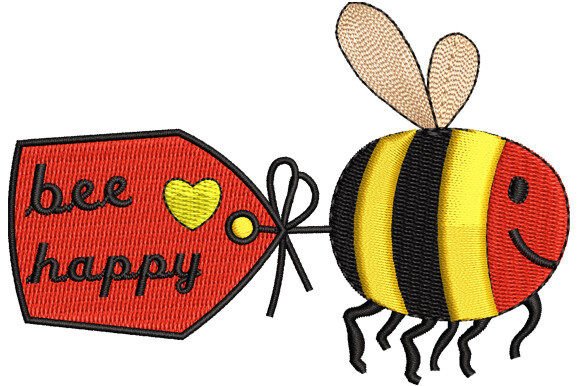
Bee Happy Honey Bee: A Designer’s Review
As an embroidery designer who spends hours testing files before they ever reach a customer, I have learned that the difference between a good design and a great one often lies in the details. When I first loaded the Bee Happy Honey Bee machine embroidery design into my software, I was looking for more than just cute aesthetics. I wanted to see if this file could hold up under the scrutiny of a professional gift shop environment. The initial impression was immediate: this is a design that radiates warmth. It feels sweet, playful, and undeniably handmade, striking a balance that appeals to both modern crafters and those seeking classic charm.
The mood of the piece is distinctly inspirational. In a world where personalized gifts are often rushed or mass-produced, this design invites a slower, more thoughtful approach. For Etsy sellers and small business owners, finding a digital embroidery file that conveys genuine emotion is crucial. This bee motif does exactly that. It is not just an image; it is a sentiment. Whether stitched onto a nursery item or a kitchen textile, it brings a touch of joy that resonates with buyers looking for meaning in their purchases.
Versatility in Personalized Gift Products
One of the strongest assets of the Bee Happy Honey Bee design is its adaptability. During my review, I tested it across several product categories to determine its commercial viability. For baby embroidery, the soft curves and friendly character of the bee make it an ideal choice for onesies, burp cloths, and blanket embroidery. Parents are drawn to designs that feel safe and welcoming, and this motif delivers that emotional connection effortlessly.
Beyond the nursery, I explored its potential for wedding gifts and family keepsakes. While it may seem whimsical for formal events, it works beautifully for bridal showers or as part of a themed "sweet" celebration. Imagine this stitched onto a custom tote bag filled with favors, or embroidered on a pillow cover for the couple’s new home. It adds a layer of personality that standard monograms sometimes lack. For the everyday crafter, it is perfect for aprons and embroidered towels, turning mundane household items into cherished handmade products.
For those running a small shop product line, the visual appeal of this design cannot be overstated. It photographs well, which is essential for online listings. The vibrant nature of the bee allows for creative thread colors, making it easy to match seasonal trends or specific brand palettes. Whether you are creating a printable mockup for your website or stitching a sample for a craft fair, the design stands out.
Navigating Fabric and Technical Challenges
While the design is charming, practical application requires attention to detail. As a designer, I must advise caution when working with certain materials. The success of any custom embroidery depends heavily on fabric texture and stabilizer choice. For thick towels, the pile can obscure smaller details. I recommend using a cut-away stabilizer to ensure the stitches remain secure and do not sink into the terry cloth. If the design includes fine lines, test on a scrap piece first to ensure clarity.
Stretchy baby clothes present another challenge. The hoop size must be appropriate to prevent distortion, and the stitch density should be reviewed to avoid puckering. If the design is too dense for lightweight knits, it may pull the fabric out of shape. Always check the stitch density in your software before hitting start. For dark fabric, contrast is key. A yellow bee on navy blue pops beautifully, but on black, it might need a lighter outline or backing to ensure visibility. Comparing light and dark fabric mockups before production saves time and materials.
Curved surfaces, such as the toe of a sock or the corner of a pillow cover, require careful hooping. Ensure the design is centered and that the stabilizer extends beyond the hoop edges. For products that need frequent washing, such as kitchen towels or baby blankets, durability is paramount. Use high-quality thread and secure bobbin tension to prevent unraveling. Check small details after stitching to ensure no loose ends remain, which enhances the perceived value of the finished product.
Enhancing Giftability and Customer Trust
In the realm of commercial embroidery, trust is built through consistency and quality. When a customer orders a personalized gift, they are buying an experience as much as a product. The Bee Happy Honey Bee design contributes to this by offering a polished, professional look that feels intimate. It signals to the buyer that care was taken in the creation process. This emotional connection drives buyer engagement and encourages repeat business.
For wedding gift designers and baby product creators, this design adds a unique selling point. It differentiates your handmade product from generic store-bought items. The inspirational aspect of the bee—often associated with happiness and community—adds a narrative to the gift. Customers are not just buying a towel; they are buying a symbol of sweetness and care. This narrative is powerful in marketing and can be highlighted in product descriptions to boost sales.
Moreover, the ease of use associated with this design makes it accessible for sellers at all levels. It is a quick and easy way to add a touch of personality to various items, allowing for faster turnaround times without sacrificing quality. This efficiency is vital for small business owners who manage multiple orders. By incorporating this design into your repertoire, you can offer a diverse range of products, from nursery decor to custom aprons, all unified by a cohesive, cheerful aesthetic.
Practical Steps for Implementation
Before integrating Bee Happy Honey Bee into your product line, follow these essential steps to ensure optimal results:
- Test on scrap fabric: Always run a test stitch on the same material you plan to use for the final product to check for issues.
- Check thread color contrast: Ensure the chosen threads stand out against the fabric background for maximum visual impact.
- Confirm hoop size: Verify that your machine’s hoop can accommodate the design dimensions without resizing that might distort details.
- Review stitch density: Adjust settings if necessary to suit delicate fabrics or heavy textiles, preventing puckering or sinking.
- Use proper stabilizer: Select the right type—cut-away for stretchy fabrics, tear-away for stable wovens—to support the stitches.
- Compare mockups: Create digital or physical mockups on both light and dark fabrics to assess versatility.
- Inspect finished details: After stitching, trim jumps and secure loose threads to maintain a professional appearance.
- Verify licensing: Confirm commercial licensing terms before selling finished products to ensure compliance with the designer’s policies.
In conclusion, the Bee Happy Honey Bee embroidery design is a versatile and emotionally resonant addition to any creator’s library. It bridges the gap between playful charm and professional quality, making it suitable for a wide array of personalized gifts. By paying attention to technical details and leveraging its inspirational appeal, embroidery makers and shop owners can create products that not only look beautiful but also feel meaningful. Whether you are crafting a baby blanket, a wedding keepsake, or a simple embroidered towel, this design offers a reliable and delightful way to bring fabric to life.